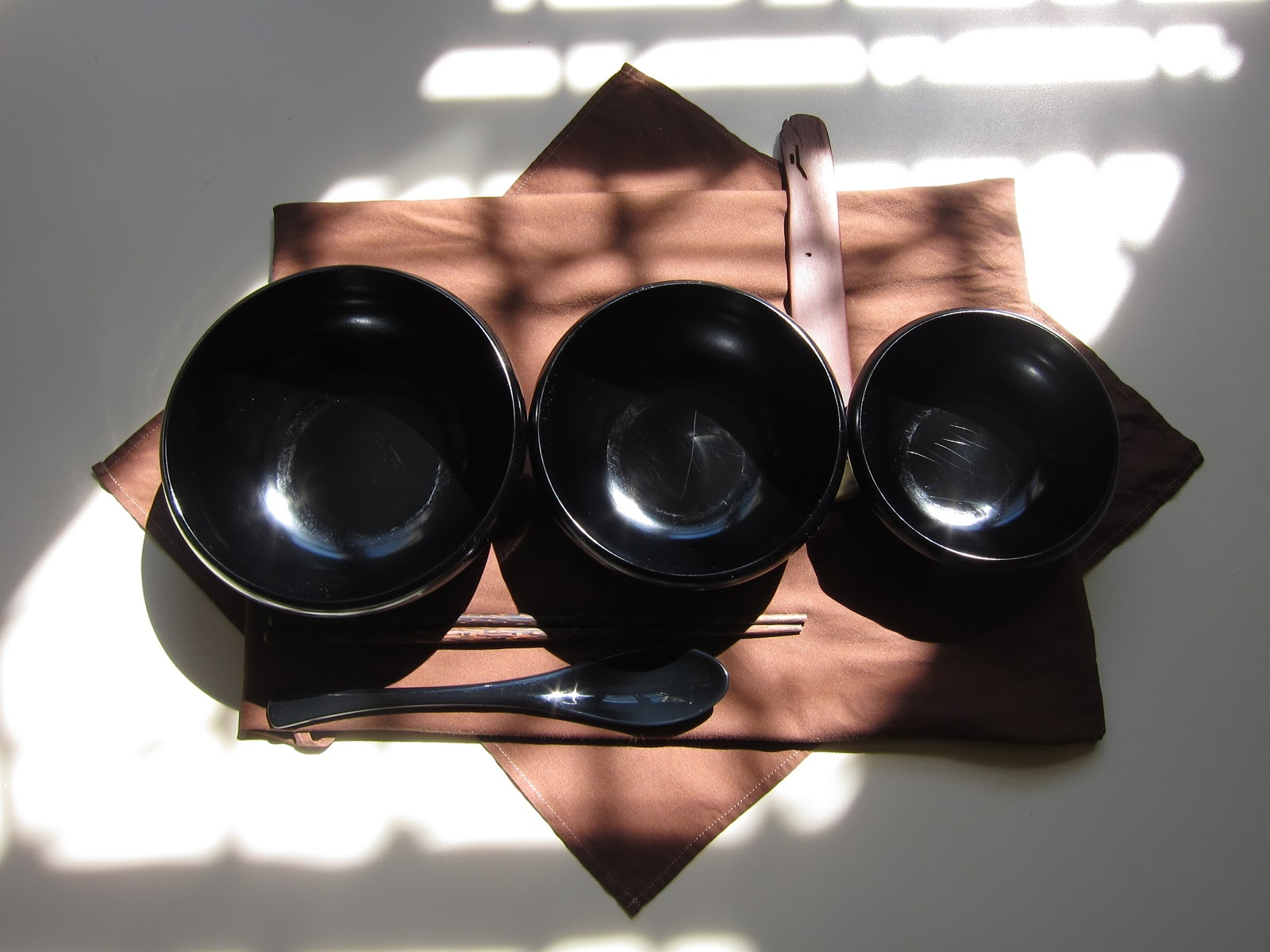
Oryoki is the Zen practice of eating a meal as if it matters, because it does. The word is often translated as “just enough,” and that’s a good doorway into it. Oryoki is not a quaint bit of Japanese culture we keep around for nostalgia, and it’s not a test of how “serious” or “traditional” a practitioner is. It’s a form of practice that turns an ordinary human act—receiving food, eating, cleaning up—into a clear mirror of the Way. In a Zen life where we can talk endlessly about mindfulness, emptiness, and compassion, oryoki asks us to put all of that down into the body and into the bowl.
In most Zen settings, oryoki is done with nested bowls, a cloth set, utensils, and a very particular order of movements. The choreography can feel strict at first, even fussy, especially to modern Western minds that equate freedom with informality. But Zen forms are rarely about control for its own sake. They’re about giving the mind fewer places to hide. When you eat however you feel like eating, you mostly disappear into habit. When you follow a form, you notice habit. You notice rushing, grasping, comparing, judging, boredom, impatience, and the constant little stories of “I like / I don’t like / I want / I shouldn’t.” Oryoki is a way of letting those stories rise and pass without letting them run the meal.
There’s a deep humility built into the practice: you don’t “take” food; you receive it. You acknowledge the labor and lives that made it possible. You don’t demand special treatment; you accept what is offered. You don’t indulge in waste; you consume carefully. And you clean your bowls in a way that makes waste difficult. That isn’t moralistic, it’s intimate. It is hard to do oryoki attentively and still pretend that your life is separate from farmers, cooks, servers, rain, soil, animals, transport, hands, and time. The meal becomes a living lesson in interdependence, not as an idea, but as a felt reality.
Oryoki also trains gratitude without sentimentality. Gratitude in Zen is not a performance and not a mood we try to manufacture. It’s a recognition: “This is given. This is enough. This is not mine.” When we chant meal verses, we aren’t trying to make the food holy; we’re trying to remember what is already true—that eating is an exchange with the whole world, and that this body is sustained by countless conditions we do not control. If you want to understand “no-self” in a way that doesn’t remain abstract, watch what happens to the sense of “I” when you receive, eat, and clean up within a container of attention.
The “why” of the precision becomes clearer over time. Form does not exist to make you stiff; it exists to make you available. When you stop improvising, you can actually meet the moment. The bowls open. The food arrives. You serve others and are served. There’s no need to negotiate identity. In the best moments, the whole room eats as one body without being a hive mind—just a quiet, coordinated harmony that makes space for everyone. It’s astonishing how much kindness is expressed simply by doing the same practice together, carefully, without drawing attention to ourselves.
Oryoki is also a practice of moderation, the Middle Way in a very ordinary place. “Just enough” doesn’t mean deprivation; it means clarity. It means learning to distinguish need from craving, nourishment from entertainment, satisfaction from chasing a feeling. That distinction matters, not because pleasure is “bad,” but because craving is exhausting. And if we can’t see craving in something as simple as food, we will have a hard time seeing it in what really hooks us—status, attention, righteousness, control, distraction. Oryoki gives you a gentle, repeated opportunity to practice freedom right where grasping is most common.
And then there is the quiet discipline of care. You handle your bowls with respect. You don’t clatter or rush. You clean them thoroughly. This isn’t about worshipping objects; it’s about learning how to live without contempt. In Zen we talk about “suchness”—the reality of things just as they are. Oryoki teaches suchness through touch: cloth, wood, ceramic, water, food, breath. When we treat our bowls with care, we are practicing the kind of mind that can treat a person with care, and treat the day itself with care.
If you’re new to oryoki, it can feel like learning a complicated dance while you’re hungry. That’s normal. Zen practice isn’t embarrassed by awkwardness. The point is not perfection; the point is sincerity. You learn by doing, by making mistakes, by bowing, by continuing. Over time the movements stop being a puzzle and start being a container. And inside that container you may find something surprisingly tender: the realization that eating can be simple, communal, and awake.
In the end, we practice oryoki for the same reason we practice zazen. We practice to be present. We practice to let the self loosen its grip. We practice to embody gratitude, restraint, and compassion. We practice to make the ordinary sacred—not by adding mysticism, but by removing the fog of habit. When the meal is done and the bowls are clean, you don’t walk away with a concept. You walk away having practiced the Way with your hands and your mouth and your attention. And that is the whole point: to live this life, this exact life, as practice.