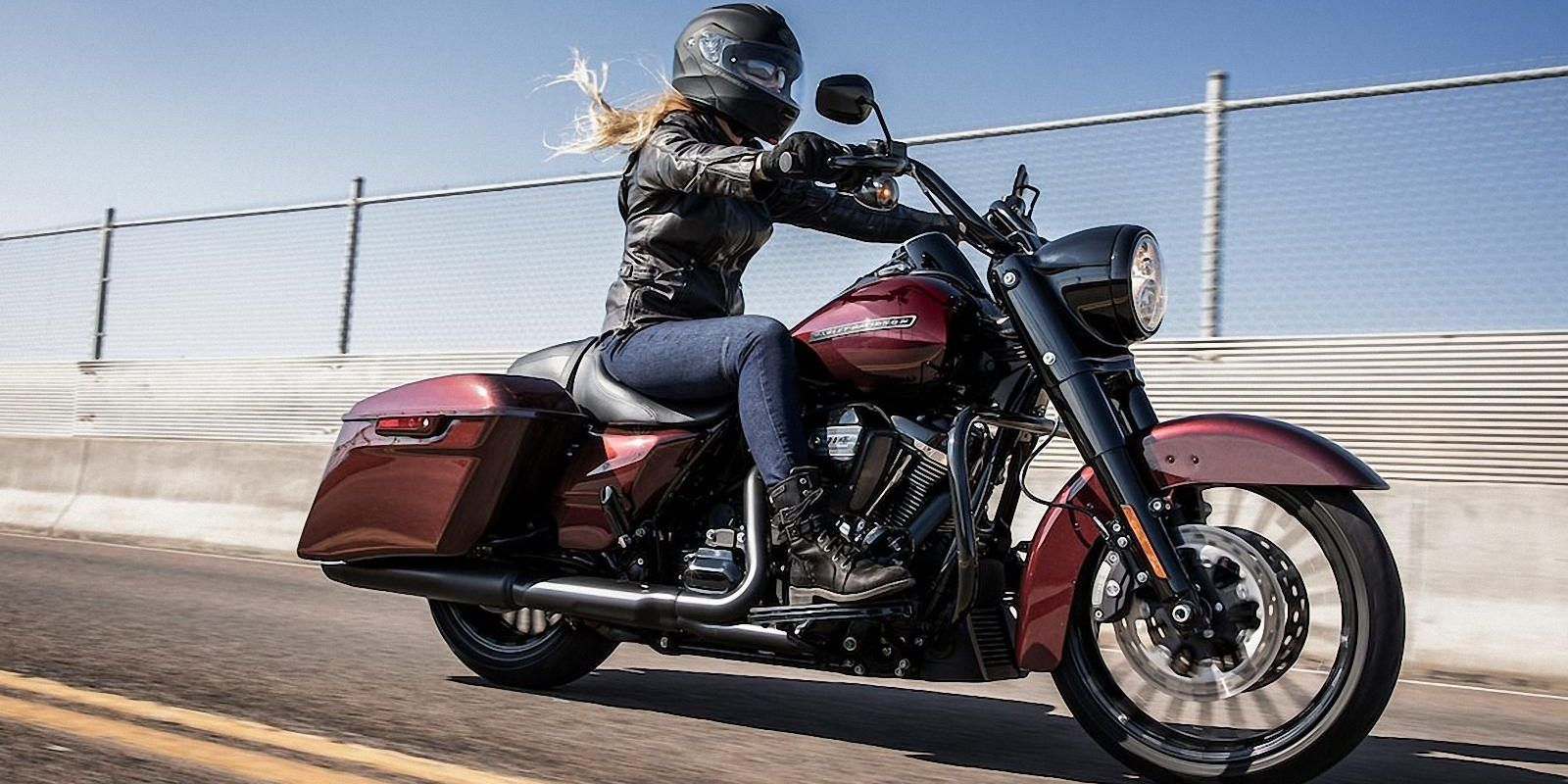
There is something about a motorcycle that strips life down to essentials. There is no wall between the rider and the world. The air is not outside the vehicle; it is against the body. The road is not an abstraction; it is felt through the hands, the spine, the feet, the breath. Every turn asks for attention. Every patch of gravel matters. Every careless movement has consequence. In this way, riding a motorcycle can become more than transportation, more than hobby, more than lifestyle. It can become a practice.
Zen is often associated with stillness: sitting on a cushion, facing a wall, watching the breath, letting thoughts rise and fall without chasing them. Motorcycling seems, at first glance, to belong to another world entirely. It is loud, moving, mechanical, risky, social, and sometimes rebellious. Yet Zen is not confined to the meditation hall. Zen is the practice of being fully present in the life one is actually living. Sitting is Zen when one is simply sitting. Walking is Zen when one is simply walking. Riding is Zen when one is simply riding.
The motorcycle offers no room for divided attention. In a car, a person may drift. They may sip coffee, change the music, answer a text, daydream through traffic, and arrive with little memory of the journey. On a bike, that kind of absence is dangerous. The rider must be awake. The body learns to read the road. The eyes soften and widen. The hands remain relaxed but ready. The breath settles. The mind cannot afford to wander too far into regret or fantasy. A motorcycle brings the practitioner back to this moment, because this moment is where life is happening.
This is one of the most immediate connections between Zen and riding: attention. Zen does not ask us to escape the world. It asks us to stop sleepwalking through it. To ride well is to notice. The lean of the bike, the sound of the engine, the wind pressing at the chest, the movement of cars, the weather changing, the road surface shifting from clean pavement to oil-slick intersection or loose sand near a shoulder. The rider becomes intimate with conditions. Nothing is fixed. Everything is changing. The road is a dharma talk.
Motorcycling also teaches impermanence. A ride begins, unfolds, and ends. Weather changes. Traffic opens and closes. Roads that felt familiar reveal something new. The rider who fails to respect change suffers for it. In Buddhism, impermanence is not merely a doctrine to believe; it is something to see directly. On a bike, impermanence is not philosophical. It is practical. The patch of sunlight becomes shade. Dry road becomes wet. A driver who seemed predictable suddenly drifts across a lane. The wise rider does not cling to what was true five seconds ago. The wise rider responds to what is true now.
This is also why riding can teach humility. A motorcycle may feel powerful, but the rider is vulnerable. There is no steel cage, no illusion of invincibility. The body is exposed. The road is hard. Weather is real. Other drivers are unpredictable. Zen practice cuts through ego, and so does riding when approached honestly. The foolish rider tries to dominate the road. The mature rider learns to cooperate with it. The road does not care about one’s self-image. The curve does not care about pride. The machine does not forgive arrogance for very long. In this sense, a motorcycle can become a stern teacher.
The biker lifestyle, at its best, also carries values that harmonize deeply with Buddhist practice: loyalty, directness, mutual aid, respect, self-reliance, and an understanding that people should not be judged too quickly by appearances. The leather vest, the beard, the tattoos, the loud pipes, the weathered face, the patched jacket, the old boots: these can frighten those who live by surface judgments. But Zen asks us to look beyond names and forms. A person is not reducible to costume, profession, social class, or reputation. Many riders know what it is to be misunderstood. That experience can either harden the heart or open it. For the Zen Buddhist, it should open it.
The biker world often speaks of brotherhood, though today we should understand that spirit broadly: brotherhood, sisterhood, kinship, chosen family, the bond of those who ride together and look after one another. A group ride requires trust and awareness. Each rider is responsible for themselves, but also for the formation. One person’s recklessness affects everyone. One person’s calm steadiness helps everyone. This is sangha on wheels. Not in the formal sense of robes and chants, perhaps, but in the living sense of shared practice. We travel together. We watch out for each other. We help when someone breaks down. We wait when someone falls behind. We do not leave our people on the side of the road.
This sense of community is especially important because Zen is sometimes misunderstood as solitary. While awakening must be seen directly for oneself, practice is supported by others. The same is true of the road. No one else can ride the bike for you. No one else can make the turn, manage the throttle, read the traffic, or keep your attention alive. Yet the presence of others matters. A good riding community helps shape better riders, just as a good spiritual community helps shape better practitioners. It calls out foolishness. It honors discipline. It teaches by example.
There is also a kind of renunciation in motorcycling that may not be obvious at first. Renunciation does not necessarily mean giving everything away, living in a monastery, or rejecting ordinary life. At its heart, renunciation means releasing attachment. When riding, one gives up certain comforts. One gives up climate control, excessive luggage, casual distraction, and the sealed-off feeling of modern life. One accepts heat, cold, rain, vibration, inconvenience, and exposure. This can be a form of voluntary simplicity. The rider learns the difference between what is necessary and what is merely preferred.
A motorcycle does not allow a person to bring everything. That limitation can be freeing. There is a clarity in packing lightly, choosing carefully, and going. Zen often points us back to simplicity, not as punishment, but as liberation. The more we believe we need, the more we carry. The more we carry, the less freely we move. The motorcycle quietly asks: What do you really need for the road ahead?
But the motorcycle can also become an object of attachment. So can the identity of being a biker. So can the image, the brand, the club, the reputation, the machine, the noise, the danger, the romance of being seen as an outsider. Zen does not require us to reject these things, but it does ask us to see them clearly. There is nothing wrong with loving a motorcycle. There is nothing wrong with taking pride in a well-kept machine. There is nothing wrong with belonging to a riding community. The question is whether we are free with these things or bound by them.
Do we ride because we are awake, or because we are trying to escape ourselves? Do we love the bike, or do we need the bike to feel real? Do we wear the identity lightly, or are we trapped inside it? These are Zen questions. They apply to robes and motorcycles equally. A monk can be attached to being a monk. A biker can be attached to being a biker. A householder can be attached to being respectable. A rebel can be attached to being rebellious. Zen cuts through all of it.
The sound of the engine can be either noise or mantra. The difference is attention. When the mind is scattered, the engine may feed aggression, restlessness, or vanity. When the mind is settled, the rhythm of the machine can gather awareness. The rider feels vibration, breath, balance, and motion as one field of experience. There is no need to romanticize this. It is not mystical because we imagine it to be mystical. It becomes practice when we are fully present.
This is why safety is not separate from spirituality. A careless rider is not a Zen rider. Recklessness is not freedom. Speed may have its place, skill has its place, exhilaration has its place, but heedlessness is not awakening. In Buddhism, right intention and right action matter. To ride with awareness is to respect life: one’s own life, the lives of passengers, the lives of other riders, the lives of drivers, pedestrians, animals, and everyone sharing the road. A motorcycle can awaken joy, but it can also amplify ego. The difference is practice.
A Zen Buddhist biker should not mistake danger for depth. Risk does not make a person wise. The willingness to meet reality does. Gear, training, sobriety, maintenance, patience, and restraint are not signs of fear. They are signs of respect. The rider who checks the tires, wears the helmet, studies the weather, practices emergency braking, and refuses to ride impaired is practicing mindfulness. They are not separate from the dharma. They are the dharma expressed through action.
The motorcycle also teaches the unity of body and mind. In sitting meditation, posture matters. The position of the spine, the steadiness of the hands, the openness of the breath, the relaxation of unnecessary tension: all of these shape the mind. Riding is similar. A tense rider fights the bike. A distracted rider becomes clumsy. A frightened rider may overcorrect. A prideful rider may push beyond skill. The body reveals the mind. The mind guides the body. Eventually, in the best moments, the distinction softens. Rider, machine, and road are not experienced as separate things. There is just riding.
This should not be exaggerated into some grand claim of enlightenment. It is simply a glimpse of non-separation. The hand turns the throttle, the engine responds, the road curves, the body leans, the eyes look through the turn, and the bike follows. When it is done well, there is no inner narrator saying, “I am riding very well.” There is no self-conscious performance. There is just the act itself. Zen points us toward this kind of directness. When eating, eat. When sitting, sit. When riding, ride.
For many people, the biker lifestyle also contains a search for freedom. The open road has become a symbol of escape from conformity, routine, and the deadening pressures of modern life. There is truth in that. To ride out beyond the familiar streets, to feel the city fall away, to follow a road into mountains, desert, forest, or coastline, is to remember that life is larger than our schedules. But Zen asks us to look closely at freedom. Real freedom is not merely doing whatever we want. Real freedom is not being controlled by craving, anger, fear, or image. A person can be on the open road and still be imprisoned by their own mind.
The deeper freedom is inward. It is the freedom to experience the ride without needing it to prove anything. The freedom to enjoy speed without being enslaved by it. The freedom to belong to a group without losing oneself. The freedom to maintain a motorcycle lovingly without turning it into an idol. The freedom to stop, breathe, and look at the sky without needing to post it, boast of it, or possess it. Zen freedom is not escape from the world. It is intimacy with the world without clinging.
This intimacy can be found in the smallest moments: wiping dust from the tank, tightening a bolt, pulling on gloves, waiting at a red light, nodding to another rider, smelling rain before it falls, feeling the temperature drop near a river crossing. These ordinary details are not obstacles to practice. They are practice. Zen is not elsewhere. It is not waiting in a temple far away from the garage. It is in the garage. It is in the driveway. It is at the gas station. It is in the discipline of maintenance and the gratitude of return.
There is a saying in many forms of practice: how you do one thing is how you do everything. How one rides reveals how one lives. Is the rider impatient? Aggressive? Vain? Fearful? Distracted? Gentle? Alert? Generous? Does the rider need to be first, loudest, fastest, most admired? Or can the rider move with confidence and humility? Can they let the reckless driver go? Can they allow another rider to lead? Can they slow down for the beginner? Can they stop to help a stranger?
Compassion belongs on the road. It belongs everywhere. A Zen Buddhist biker does not leave compassion behind when the engine starts. Compassion may look like patience in traffic. It may look like helping a stranded rider. It may look like not frightening neighborhoods with unnecessary noise. It may look like refusing to turn riding into domination. It may look like remembering that every person on the road wants to get home alive.
This does not mean becoming soft in the shallow sense. Zen compassion is not weakness. It is awake strength. The biker world understands strength, but Zen refines it. Strength is not merely the ability to intimidate. It is the ability to remain steady. It is the ability to respond without hatred. It is the ability to protect without cruelty. It is the ability to walk away from foolish conflict. It is the ability to master oneself before trying to master the road.
In this way, the motorcycle becomes a mirror. It shows us our impatience, our fear, our craving for recognition, our hunger for freedom, our love of beauty, our need for belonging, our attraction to risk, and our capacity for presence. The question is not whether motorcycles are “Zen.” Nothing is Zen by label. A cushion is not Zen if the person sitting on it is lost in fantasy. A monastery is not Zen if it becomes an identity. A motorcycle is not Zen if it becomes an excuse for ego. But anything can become practice when met with attention, humility, and sincerity.
For the lay practitioner, this matters deeply. Most Zen Buddhists will not live in monasteries. They will live in houses, apartments, families, jobs, neighborhoods, and communities. They will cook meals, pay bills, raise children, care for parents, fix engines, answer emails, and ride motorcycles. The dharma must be found here or it is not yet fully understood. The road is not separate from the Way. The life we have is the place of practice.
To be a Zen Buddhist and a biker is not a contradiction. It is an invitation. Ride with attention. Maintain the machine with care. Wear the gear. Respect danger. Do not worship danger. Love the road. Do not cling to the road. Honor the community. Do not be trapped by image. Enjoy the freedom. Look deeper into what freedom really means. Let the ride strip away what is unnecessary. Let the road teach impermanence. Let the engine call you back to breath. Let every mile ask whether you are awake.
And when you ride, just ride.