One of the Buddha’s more quietly radical teachings is that we are always being fed. Not only by what we put on a plate, but by what we take in through the senses, by what we intend and rehearse in the mind, and by the very momentum of awareness itself. In the teachings, these are called the four nutriments—the conditions that “nourish” and sustain experience. When we understand them, we stop treating suffering like a mysterious curse and start seeing it as something with inputs. And what has inputs can be worked with.
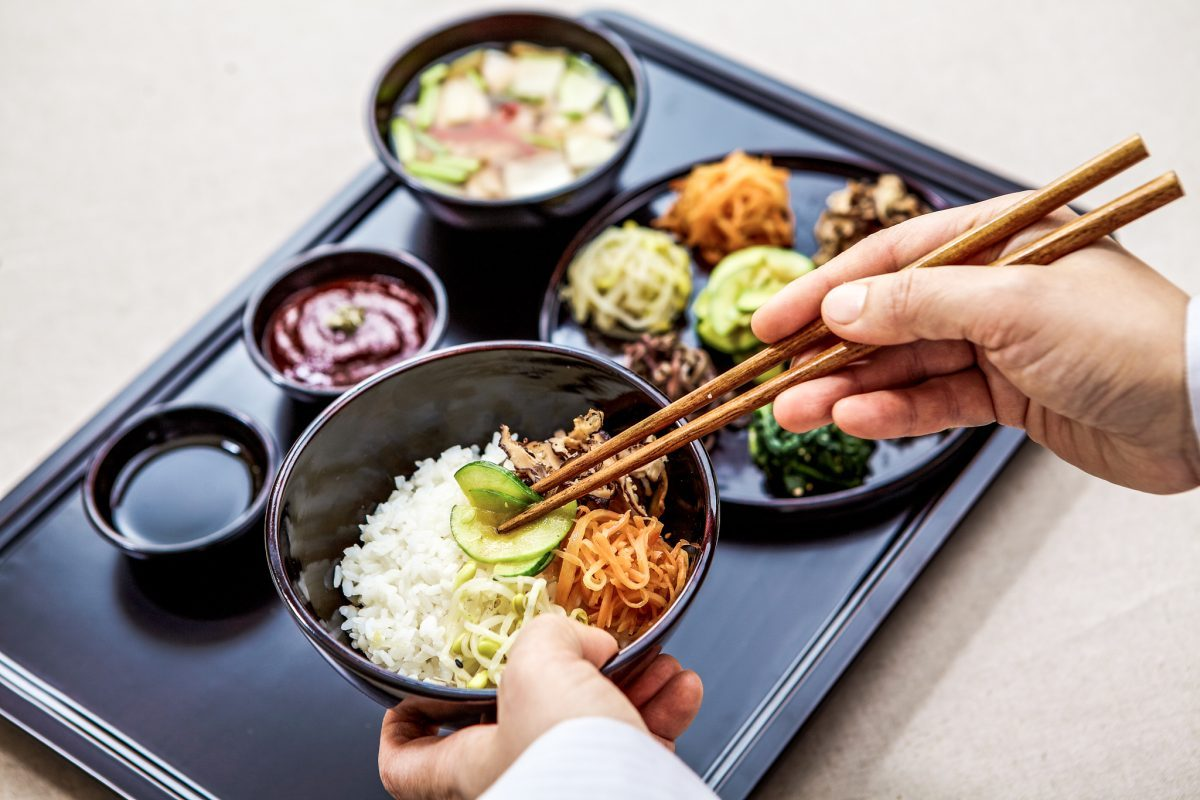
The first nutriment is ordinary edible food, kabalīkāra āhāra, the “mouthful” nutriment. It’s the most obvious: the body depends on what it consumes. But in practice this is not just a health lesson. It’s a dharma lesson about dependency, impermanence, and care. This body is not a fixed possession; it is maintained. It requires causes. And because it requires causes, it is vulnerable—yet also workable. How we eat becomes a mirror: speed, distraction, scarcity, compulsion, gratitude, simplicity, numbness, reverence. The Buddha sometimes spoke about food in a way meant to cut through romance and entitlement, not to make us grim, but to make us awake. There is a famous image where edible food is contemplated as if it were the flesh of one’s own child—shocking, yes, but the point is clarity: we do not eat for pleasure alone, and if we build our life on pleasure alone, we will suffer when the pleasure cannot be maintained.
The second nutriment is contact, phassa. This is the moment the world strikes the senses and the mind says, “this.” In Buddhist terms, contact is the meeting of sense organ, sense object, and consciousness, giving rise to feeling tone: pleasant, unpleasant, or neutral. And from that feeling tone, the whole chain can unfold—grasping, aversion, dullness, obsession, story-making, identity. This is one reason Zen places so much emphasis on direct experience. Not because we worship raw sensation, but because contact is where the spell begins. What are you letting touch you all day? What are you consuming with your eyes, your ears, your scrolling thumb? What atmospheres are you bathing in? The mind is porous. We pretend we can live in a storm of stimuli and remain inwardly unconditioned, but that’s mostly pride. Contact feeds the heart. It can feed agitation just as easily as it can feed steadiness.
The third nutriment is mental volition, manosañcetanā. This is intention, will, choice, the inner “lean” of the mind. It includes what we plan, what we rehearse, what we fantasize, what we nurse, what we return to again and again. This is the nutriment that makes karma feel personal and immediate. Because even when nothing is happening “out there,” something is happening in here: we are training the heart in a direction. If you continually feed resentment, you will become fluent in resentment. If you continually feed compassion, you will become fluent in compassion. Volition is not only what you decide at dramatic turning points. It is also the small, repeated endorsements: “yes, I’ll pick up that thought again,” or “no, I won’t build a home in that mood.” Zen practice is full of this training. Each time you notice you’ve wandered and you return, you are practicing volition at the level that matters: not heroic self-control, but humble reorientation.
The fourth nutriment is consciousness, viññāṇa. This can sound abstract until you feel it in your own life: there is an ongoing “knowing” that keeps presenting a world. Consciousness is sustained by conditions, and it in turn sustains the sense of continuity—this ongoing stream in which “I am here” and “this is happening.” In dependent origination, consciousness is not a permanent soul; it is a process, conditioned and conditioning. When the mind is grasping, consciousness tends to congeal into “me in here, world out there.” When the mind is settled, consciousness can be experienced more as flow—luminous, responsive, less sticky. This nutriment points directly toward what meditation reveals: experience is not a thing you own, it is something arising. And because it is arising, it can cease. Not in a nihilistic way, but in a liberating way—release is possible.
So what does it mean to practice with the four nutriments? It means we begin to treat our life as a diet in the deepest sense. Not a moral diet where we punish ourselves, but a wise diet where we notice what strengthens greed, hatred, and delusion—and what weakens them. We learn to ask simple, honest questions. When I feed on this, what happens to my body and mind afterward? When I let this contact hit me all day, what kind of person do I become by evening? When I indulge this intention, does it make me freer or more bound? When I cling to consciousness as identity—“this is me”—does it increase suffering or soften it?
In Zen, this becomes very intimate. Zazen is not just sitting still; it is learning what you habitually feed on. You see the mind reaching for its usual meals: planning, replaying, judging, justifying, fantasizing, resisting. And you learn you don’t have to eat everything that’s offered. You can let a thought rise and not accept the invitation. You can let a feeling tone bloom and not build a religion around it. You can feel contact and not be conquered by it. This isn’t cold detachment; it’s freedom. A mind that can choose its nutriments is a mind that can heal.
And there’s a gentle ethical implication here too. If contact is a nutriment, then the environments we create matter. The words we speak matter. The media we share matters. We’re feeding one another constantly. Some communities feed fear and outrage like a steady drip. Some feed patience and clarity. None of us are above influence. The practice is to become responsible for what we take in—and compassionate about the fact that everyone else is being fed too, often without realizing it.
The Buddha’s teaching on nutriment is a kind of compassion dressed as analysis. It says: you’re not broken. You’re conditioned. And if you’re conditioned, you can be reconditioned. You can change what you feed on. You can choose cleaner contact, kinder intentions, simpler food, and a relationship to consciousness that isn’t so possessive. Over time, the heart becomes less hungry for what harms it. It starts to prefer what nourishes awakening.
If you want a single practice to carry from this, let it be this: before you “consume” anything—food, content, conversation, a mood, a plan—pause for one breath and ask, What will this feed in me? Then listen. The answer is often immediate, quiet, and true.